
How Digital Smile Design Changes the Way Cosmetic Dentistry Is Planned
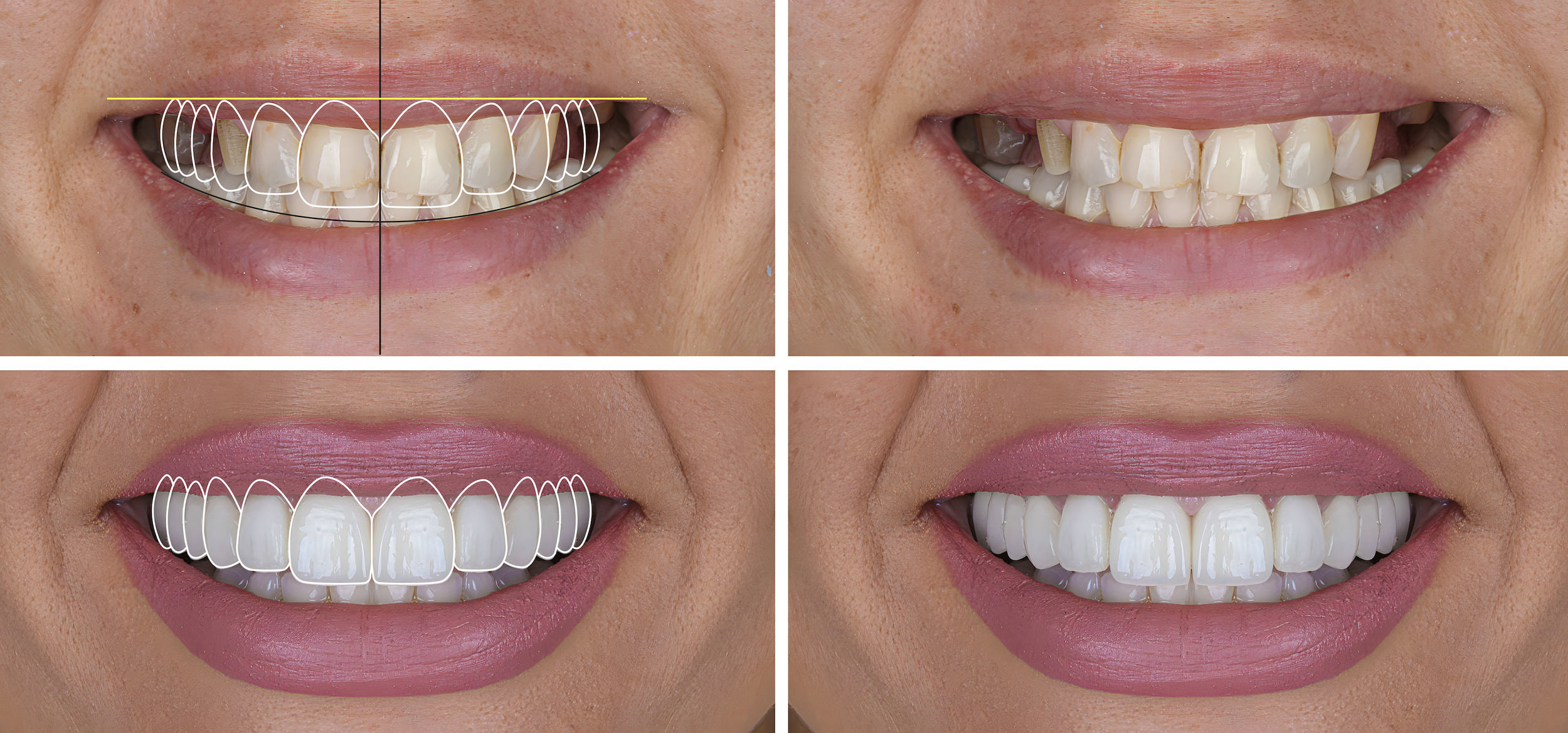
For many people, committing to a cosmetic dental plan is a bit of a leap of faith. A dentist describes what veneers or crowns might look like. Perhaps they show a few before-and-after photos. The patient listens, asks a few questions, and then decides whether to move forward, without ever actually seeing what their own smile could become. That was just how it worked.
Digital smile design has changed that. Today, patients can see a precise, three-dimensional simulation of their planned results before any treatment begins. They can review tooth shape, proportion, and shade. They can ask questions based on something real, not something imagined. And they can move forward with a level of confidence that simply wasn't possible before.
For dentists, the technology does something equally important. It transforms cosmetic dentistry treatment planning from a process guided largely by experience and estimation into one grounded in data, imaging, and visualization. The result is a more accurate plan, better communication, and outcomes that are far more predictable.
This shift in how smile makeover planning works is worth understanding, whether someone is considering their first cosmetic procedure or has been thinking about it for years.
The Limitations of Traditional Cosmetic Dentistry Planning
For a long time, planning a smile makeover meant relying heavily on a dentist's experience and a patient's ability to imagine. Dentists would take physical impressions, study photographs, and use their clinical judgment to map out a treatment plan. Patients, in turn, would review sample photos of other people's results and try to connect those images to their own face and teeth. It was an imperfect process, and most people knew it.
The communication gap was real. A patient might describe wanting a "natural look" while the dentist interpreted that phrase one way and the lab technician interpreted it another. By the time a crown or veneer was fabricated, there had been multiple points where expectations and reality could drift apart. And at that stage, corrections were costly and time-consuming.
Physical wax mock-ups helped somewhat. A dentist could build a rough model of proposed changes using wax over a plaster cast of the teeth. But those models were static, limited in detail, and still required a significant amount of imagination on the patient's part. They showed a version of what might be possible. They couldn't show a patient their actual smile.
The result was that cosmetic dentistry carried a degree of uncertainty that made many patients hesitant. Some delayed treatment for years. Others proceeded and found themselves surprised by results they hadn't fully anticipated. Neither outcome was ideal, and the industry recognized that better planning tools were needed.
What Digital Smile Design Actually Does
A 3D Model Before the First Procedure
The core of digital smile design is visualization. Using advanced scanning technology, a dentist captures a precise three-dimensional model of a patient's teeth, gums, and facial structure. That model becomes the foundation for everything that follows. From there, the dentist can simulate proposed changes directly on the digital model, adjusting tooth shape, length, proportion, and shade in real time.
This is not a rough approximation. The level of detail in a 3D smile simulation is significant. Patients can see how a proposed set of porcelain veneers would look against their actual gum line. They can compare shade options side by side. They can request adjustments before a single tooth has been touched. That kind of collaborative planning was simply not available with traditional methods.
Shade, Shape, and Proportion
One of the more underappreciated aspects of cosmetic dentistry treatment planning is how much tooth proportion matters. A tooth that is slightly too long or too wide can affect the overall harmony of a smile in ways that are hard to predict without seeing it visually. Digital smile design allows dentists to test proportions against the patient's facial features and make precise adjustments before any restorative work begins.
Shade selection works the same way. Rather than holding a physical shade guide up to the teeth and making a judgment call, the digital workflow allows for accurate color matching that accounts for the surrounding teeth, gum tissue, and even skin tone. According to the American Dental Association, accurate shade matching is one of the most technically demanding aspects of cosmetic dental work, and digital tools have meaningfully improved consistency in this area.
The planning process also helps dentists identify functional considerations early. Bite alignment, for example, can affect how restorations wear over time. Catching those issues during the planning phase, rather than after fabrication, saves time and leads to better long-term outcomes for the patient.
The Planning Advantages That Matter Most
The diagnostic value of digital smile design extends well beyond aesthetics. When a dentist works from a detailed 3D model, they can evaluate the teeth, bone structure, and soft tissue together rather than separately. That complete picture supports better decisions at every stage of smile makeover planning. Problems that might have gone unnoticed in a traditional exam become visible early, when they are far easier to address.
This level of diagnostic precision matters most in complex cases. A patient pursuing full mouth rehabilitation, for instance, may require coordination across multiple procedures. Digital planning allows the dentist to map out that sequence in advance, identifying how each step affects the next. The treatment becomes a planned workflow rather than a series of individual decisions made along the way.
A Shared Vision Between Patient and Dentist
Perhaps the most practical advantage of digital dentistry in the planning phase is what it does for the conversation between patient and dentist. When both people are looking at the same three-dimensional simulation, the discussion becomes specific. A patient can point to exactly what they do or do not like. The dentist can explain the clinical reasoning behind a recommendation by showing it rather than describing it.
Research supports this. A study published by the National Institutes of Health found that patients who participated in visual treatment planning reported higher satisfaction with their outcomes and felt more confident in their treatment decisions. That finding aligns with what clinicians who use digital smile design report consistently: informed patients make better decisions, and better decisions lead to better results.
Fewer Surprises After the Fact
Unexpected outcomes after cosmetic procedures are one of the most common sources of patient dissatisfaction in dentistry. Most of the time, those surprises trace back to the planning phase. The patient and dentist had different mental images of the goal, and no tool existed to reconcile them before treatment began.
Digital smile design closes that gap. When a patient has reviewed and approved a simulation of their planned results, the likelihood of a disconnect between expectation and outcome drops considerably. According to the American Academy of Cosmetic Dentistry, clear pre-treatment communication is one of the strongest predictors of patient satisfaction in elective dental procedures. Digital planning makes that communication possible in a way that words and photographs alone cannot.
How It Connects to Other Digital Dentistry Tools
Digital smile design does not work in isolation. It is one part of a broader digital dentistry ecosystem that, when used together, produces results that are more accurate and more predictable than any single tool could achieve on its own. The 3D model created during the smile design process feeds directly into other technologies, reducing the margin for error at each stage of treatment.
At Broadwater Dental, that ecosystem includes 3Shape 3D scanning, which captures a highly detailed digital impression of the teeth without the discomfort of traditional physical molds. That scan integrates with the smile design workflow, giving the dentist precise data to work from during both planning and fabrication. The result is a level of fit and accuracy that physical impressions rarely matched.
From Planning to Same-Day Restorations
Once the digital plan is finalized, it can be used to guide the fabrication of restorations with a high degree of accuracy. Broadwater Dental's Ceramill same-day crown system is a good example of how the digital workflow pays off at the fabrication stage. Rather than sending measurements to an outside lab and waiting days or weeks for a result, crowns and restorations can be milled in-office using the digital specifications developed during planning.
This kind of end-to-end digital workflow is increasingly recognized as a meaningful advancement in cosmetic dentistry treatment planning. The American Academy of Cosmetic Dentistry has noted that integrated digital workflows reduce the number of manual handoffs in the treatment process, and fewer handoffs means fewer opportunities for error. For patients, that translates to restorations that fit better, look more natural, and require fewer adjustments after placement.
3D Printing as Part of the Process
Digital planning also connects to in-office 3D printing, which allows for the production of physical models, surgical guides, and temporary restorations directly from the digital design. This gives patients something tangible to evaluate before permanent restorations are placed, adding one more checkpoint to a process that is already far more transparent than traditional smile makeover planning ever was.
According to the National Institutes of Health, the integration of 3D printing into dental workflows has expanded the range of procedures that can be planned and executed with high precision, particularly in cosmetic and restorative cases. For patients considering significant smile changes, that kind of precision is not a small thing.
What This Means for the Patient Experience
There is a psychological dimension to cosmetic dental work that does not always get enough attention. For many patients, the decision to pursue a smile makeover is years in the making. They think about it, research it, and talk themselves in and out of it before ever scheduling a consultation. A significant part of that hesitation comes from uncertainty about the outcome. Digital smile design addresses that uncertainty directly.
When a patient can see a realistic simulation of their planned results before any treatment begins, the decision-making process changes. The question shifts from "I wonder what this will look like" to "this is what it will look like, and I am ready to move forward." That shift is meaningful. It reduces anxiety, shortens the time between consultation and commitment, and sets a clearer expectation for both the patient and the dentist.
A More Collaborative Process
Traditional cosmetic dentistry planning was largely one-directional. The dentist assessed the teeth, developed a plan, and presented it to the patient. The patient could ask questions, but their ability to meaningfully engage with the plan was limited by what they could visualize. Digital smile design makes the process genuinely collaborative.
Patients at Broadwater Dental can review their 3D simulation during the consultation, suggest adjustments, and see those changes reflected in real time. That level of involvement builds trust. It also tends to produce results that patients feel more personally connected to, because they participated in shaping them. The American Dental Association has long emphasized that patient involvement in treatment planning leads to stronger adherence and higher satisfaction across dental procedures generally.
Planning That Respects the Whole Face
One thing that separates digital smile design from older planning methods is its ability to account for facial features, not just teeth. Tooth shape and proportion look different on every face. A smile that works beautifully for one patient may not suit another, and the difference often comes down to subtle relationships between tooth size, lip line, and facial symmetry.
The 3D modeling process captures those relationships and factors them into the design. The goal is a result that looks natural rather than constructed, one that fits the patient's face rather than simply filling their mouth with technically correct restorations. For patients exploring options like porcelain veneers or other significant cosmetic changes, that kind of personalized planning is worth understanding before committing to a path forward.
Cosmetic dentistry has always been as much about confidence as it is about teeth. Digital smile design gives patients a clearer picture of what that confidence could look like, and that is a meaningful place to start. Those interested in exploring what the process looks like firsthand can schedule a consultation with the team at Broadwater Dental.
Frequently Asked Questions
Q1: What is digital smile design and how does it work? Digital smile design is a technology-driven planning process that uses 3D scanning and imaging software to create a detailed model of a patient's teeth and facial structure. The dentist uses that model to simulate proposed cosmetic changes, including tooth shape, proportion, and shade, so the patient can see a realistic preview of their results before any treatment begins.
Q2: Is digital smile design only for major cosmetic procedures? No. While it is particularly valuable for complex cases like full mouth rehabilitation or porcelain veneers, digital smile design can be used to plan a wide range of cosmetic treatments. Even patients considering relatively straightforward changes benefit from the added clarity and precision the technology provides during the planning phase.
Q3: How accurate is the 3D simulation compared to the final result? The simulation is designed to be as accurate as possible, using detailed scan data rather than estimates or approximations. When combined with tools like in-office 3D scanning and same-day crown fabrication, the digital plan translates directly into the physical restoration, which significantly reduces the gap between the planned result and the final outcome.
Q4: Can patients request changes to the simulation during the consultation? Yes. One of the primary advantages of digital smile design is that adjustments can be made in real time during the consultation. Patients can review the simulation, identify specific changes they would like, and see those modifications reflected immediately. This makes the planning process genuinely collaborative rather than one-directional.
Q5: Does digital smile design cost more than traditional planning methods? The technology is part of the overall treatment planning process at Broadwater Dental and is used to ensure the best possible outcome for each patient. Any questions about costs and financial options can be addressed during a consultation, and the team is happy to walk patients through available options.