
Porcelain Veneers: What They Cost, How Long They Last, and Who They’re For
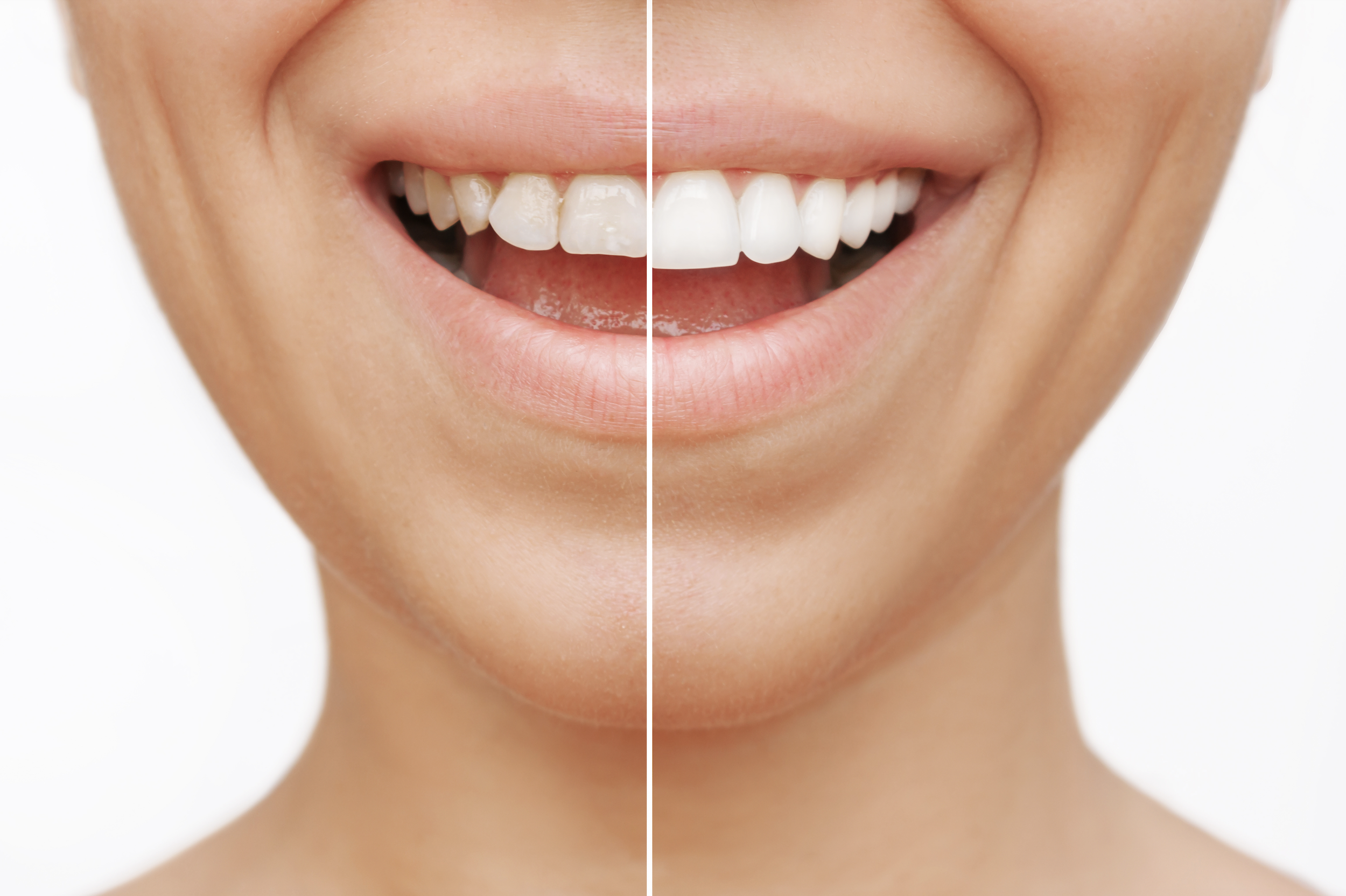
Porcelain veneers are often associated with simple but compelling before-and-after photos. Sometimes they’re a feature in dramatic makeover stories. In either case, there are almost always two big questions beneath the excitement. How much do they cost, and are they worth it long term?
Veneers are not a decision that is made casually. They change the appearance of your smile in a lasting way, and as a result, they deserve a level of thoughtful planning to do it well. Ultimately, understanding what you are committing to matters just as much as the final result. So let’s define them.
In simple terms, Porcelain veneers are thin ceramic shells that are designed to cover the front surface of teeth. They can correct discoloration, fix uneven edges, eliminate gaps, and shape problematic areas that can’t be fixed by simple whitening or other minor adjustments.
When they are planned carefully and executed well, they blend in naturally with the surrounding teeth, looking and acting much like enamel will. However, when they are rushed or used in the wrong situations, or executed poorly ,they are prone to disappointment. Sometimes falling well short of expectations.
Here we’ll focus on providing the necessary guidance to ensure that, if the decision is made to pursue porcelain veneers, it is done in a way that will provide the best a wonderful smile, and long term satisfaction.
Cost is often the first concern, followed closely by longevity. How long will they last? Then there is the more personal question. Are veneers the right solution for my smile, or is there another option that makes more sense?
Answering that question is not merely a matter of price range or a timelines. It means understanding what veneers are designed to fix, and which things they simply cannot change. And of course, how long they can typically be expected to last when they are cared for properly. It also means recognizing that the best cosmetic result is not always going to be the most aggressive one. Sometimes less is more.
In the end, the type of complete smile makeover that Mississippi Gulf Coast patients can feel confident about tends to start with having clear information and realistic expectations. Veneers can be a powerful tool in cosmetic dentistry, but they will always work best when decisions are informed.
What Porcelain Veneers Are and What They Actually Do
Porcelain veneers are often described in very simple terms. They are thin shells. A cosmetic fix. Provide instant transformation. These descriptions are not necessarily wrong, but they leave out the part that actually determines whether veneers succeed or fail.
At their core, veneers are custom-made ceramic coverings that are bonded to the front surface of natural teeth. They are designed to change the color, or the shape, or the length, or alignment in ways that cannot be achieved with whitening or contouring alone. The ceramic that is used in modern veneers is strong, stain resistant, and mirrors the way natural enamel reflects light.
Unlike crowns, veneers do not simply wrap around the entire tooth. A crown covers all visible surfaces and usually requires far more aggressive reduction of the overall tooth structure. Veneers are deliberately more conservative by design. In many cases, only a small amount of enamel is reshaped to create space for the ceramic. Ensuring that the enamel is preserved is important because it provides the strongest and most predictable bond. This is a critical element of long-term stability.
Most commonly, Veneers are used to address deep discoloration that does not respond to professional whitening. Or a smile could suffer from uneven or worn edges, minor spacing issues, or teeth that appear short or poorly proportioned. Veneers can also be part of a larger cosmetic plan, when there are multiple issues that need to be addressed at once. According to the American Dental Association, cosmetic dental procedures should always balance appearance with long-term oral health, which is why careful case selection matters.
It is just as important to understand what veneers do not do. The reality is, they will not correct significant bite problems. They will not replace necessary orthodontic treatment when teeth are severely misaligned. They also will not strengthen teeth that have been weakened by large cavities or fractures. In each of those situations, there are other treatments that are more appropriate, before veneers are even considered. Ultimately, the decision may be made to combine treatments to provide the absolute best outcome. Resources from the National Institute of Dental and Craniofacial Research emphasize the role of proper diagnosis before elective cosmetic care.
For patients considering veneers in Biloxi and nearby areas, this distinction is critical. To provide a succinct summary, veneers are a finishing solution. They work best when the underlying teeth and bite have already been corrected and are healthy and stable. When they are placed on the right foundation, they will result in a beautiful smile that looks natural and will last for many years.
In this context, patients often ask whether veneers are purely cosmetic or if they offer any additional functional benefits. While it’s true that their primary benefit is one of aesthetics, veneers can also restore worn enamel surfaces and protect exposed areas when they are designed correctly. That added benefit depends entirely on planning and execution, not the material alone.
The Cost of Porcelain Veneers on the Gulf Coast
Cost is usually the first thing people want to understand about veneers. Not because price alone drives the decision, but because veneers are an elective treatment. Patients want to know whether the investment makes sense for their situation and what they are actually paying for.
There is no single set price for porcelain veneers. Costs vary based on several factors, including how many teeth are being treated, the materials used, and how much planning is required before placement. Nationally, veneers are often discussed as a per-tooth investment rather than a flat fee, which helps explain why estimates can feel wide-ranging.
One of the biggest influences on cost is customization. Veneers are not an off-the-shelf product. Each one is designed to match tooth color, shape, translucency, and overall facial balance. That design process takes time and skill. The American Dental Association notes that cosmetic procedures often involve additional planning steps that go beyond routine dental care, which can affect overall cost.
Another factor is how conservative the approach is. Preserving enamel, evaluating bite forces, and planning for long-term stability can add steps to the process, but those steps are often what protect the investment. Research published through PubMed Central highlights that minimally invasive veneer techniques are closely tied to better long-term outcomes, particularly when enamel preservation is prioritized.
For patients exploring veneers on the gulf coast, it can be tempting to compare prices across practices or even across state lines. Lower numbers can look appealing at first glance. What those numbers do not always reflect is material quality, laboratory support, or how much chair time is dedicated to planning and follow-up. Those details matter when veneers are expected to last many years.
Cost conversations around cosmetic veneers Biloxi patients hear often include the idea of value rather than bargain pricing. Veneers that chip, stain, or feel bulky may cost less upfront but more over time if they need replacement. Thoughtful planning is usually what separates a short-term cosmetic fix from a durable result.
How Long Porcelain Veneers Last and Why Some Fail Early
Longevity is where expectations around veneers often diverge from reality. Some people assume veneers are permanent. Others worry they will need replacement every few years. The truth sits somewhere in between and depends far more on planning and habits than on the ceramic itself.
Well-designed porcelain veneers commonly last 10 to 15 years, and in many cases longer. Clinical studies show that veneers bonded primarily to healthy enamel tend to have higher survival rates over time. This is one reason conservative preparation matters. Preserved enamel creates a stronger, more stable bond than dentin, which directly affects how long veneers hold up.
Research published through PubMed Central reviewing long-term veneer outcomes links early failures to a few consistent factors: aggressive tooth reduction, heavy bite forces, and poor case selection. The material itself is rarely the weak point. The planning almost always is.
Daily habits also play a role. Clenching or grinding, nail biting, chewing ice, or using teeth as tools increase stress on veneer edges. The National Institute of Dental and Craniofacial Research notes that bruxism can significantly affect restorations and emphasizes the importance of addressing it early. In those cases, protective night guards are often part of long-term veneer care.
Maintenance matters as much as placement. Veneers do not decay, but the teeth underneath still can. Routine cleanings, proper brushing and flossing, and regular dental exams help prevent problems at the margins where veneer meets natural tooth. The American Dental Association reinforces that cosmetic restorations require the same preventive care as natural teeth to remain healthy.
Ultimately, longevity is not just about how long the ceramic lasts, it’s about how long the result continues to look and feel natural. Veneers that are designed with proper spacing, thickness, and bite balance tend to age quietly. Those that are rushed often draw attention over time.
Our patients often ask what may cause veneers to fail early. The answer is usually not a single event. It is a combination of overloading, overlooked habits, and shortcuts taken during planning. When those factors are controlled, veneers are one of the more durable cosmetic options available.
Making a Confident Decision About Porcelain Veneers
Porcelain veneers can deliver meaningful, long-term changes to a smile when they are used for the right reasons and when they are planned carefully, and when they are executed well. They are not a shortcut to reduce the need for other orthodontic treatments, and they are not a one-size-fits-all solution. Their value comes from a level of precision, restraint, and clear understanding of what they can realistically accomplish.
Cost, longevity, and suitability are closely connected. For many people considering veneers in the greater gulf coast area, the most important step is not selecting a material or counting teeth. It is having an honest evaluation that looks at total oral health, habits, and long-term goals together. That context shapes whether veneers are the right choice or whether another approach would lead to a better outcome.
When porcelain veneers are approached as a long-term investment rather than a cosmetic trend, they tend to deliver exactly what people are looking for. A smile that feels natural. Results that last. And confidence that does not fade with time.
Porcelain Veneers FAQ
How much do porcelain veneers usually cost?
The cost of porcelain veneers varies based on how many teeth are treated, the level of customization involved, and the amount of planning required. Veneers are typically priced per tooth rather than as a single procedure. Factors like material quality, laboratory support, and long-term treatment planning all influence cost. A consultation is the best way to understand what applies to a specific smile.
How long do porcelain veneers last?
When veneers are properly planned and bonded to healthy enamel, they commonly last 10 to 15 years and often longer. Longevity depends on factors such as bite alignment, oral hygiene, and habits like clenching or grinding. Veneers placed conservatively and maintained well tend to age quietly without drawing attention.
Do porcelain veneers ruin natural teeth?
Veneers do not ruin teeth when they are used appropriately. Modern veneer techniques are designed to preserve as much enamel as possible. Enamel preservation is actually what allows veneers to bond securely and last longer. Problems tend to arise when veneers are placed too aggressively or used to mask underlying issues that should be treated first.
Are veneers only cosmetic, or do they provide functional benefits?
Veneers are primarily a cosmetic treatment, but they can provide functional benefits in certain situations. When worn enamel or minor edge damage is present, veneers can restore those surfaces and offer protection. That functional benefit depends on careful design and proper bite evaluation.
Is everyone a good candidate for porcelain veneers?
No. Veneers work best when teeth and gums are healthy and bite forces are stable. Significant misalignment, active gum disease, or untreated clenching and grinding may need to be addressed before veneers are considered. In some cases, another treatment option may be more appropriate.
Are porcelain veneers permanent?
Veneers are considered a long-term treatment, but not permanent. They may eventually need replacement due to normal wear or changes over time. Choosing a conservative approach helps protect natural teeth and keeps future options open if replacement is needed later.
How many veneers does someone usually need?
That depends on the goals of the smile. Some people only need veneers on one or two teeth. Others choose to treat the most visible teeth when smiling. A thoughtful plan focuses on balance and proportion rather than treating more teeth than necessary.
What is the difference between veneers and crowns?
Veneers cover only the front surface of a tooth and are generally more conservative. Crowns cover the entire tooth and are used when strength or structural support is needed. The choice depends on the condition of the tooth and the goals of treatment.
How do I know if veneers are right for my smile?
An honest evaluation is the most important step. For patients considering veneers D’Iberville MS or cosmetic veneers Biloxi options, that evaluation should include oral health, bite analysis, and long-term expectations. Veneers tend to be a good choice when they fit naturally into a larger plan rather than serving as a quick fix.
What should I ask during a veneer consultation?
Helpful questions include how much enamel will be preserved, how long the veneers are expected to last, how bite forces are evaluated, and what maintenance looks like long term. Clear answers to those questions often signal careful planning and realistic expectations.