
Same-Day Crowns: Who’s a Candidate, and What to Expect in One Visit
Why Same-Day Crowns Solve Common Tooth Problems Fast
A tooth cracks while you chew on an almond. Or maybe a large filling finally gives way after years of holding things together. Suddenly the sharp edge catches your tongue every time you talk, eat, or even smile. These moments happen more often than people expect, and they leave most patients scrambling for a fix that doesn’t drag on for weeks.
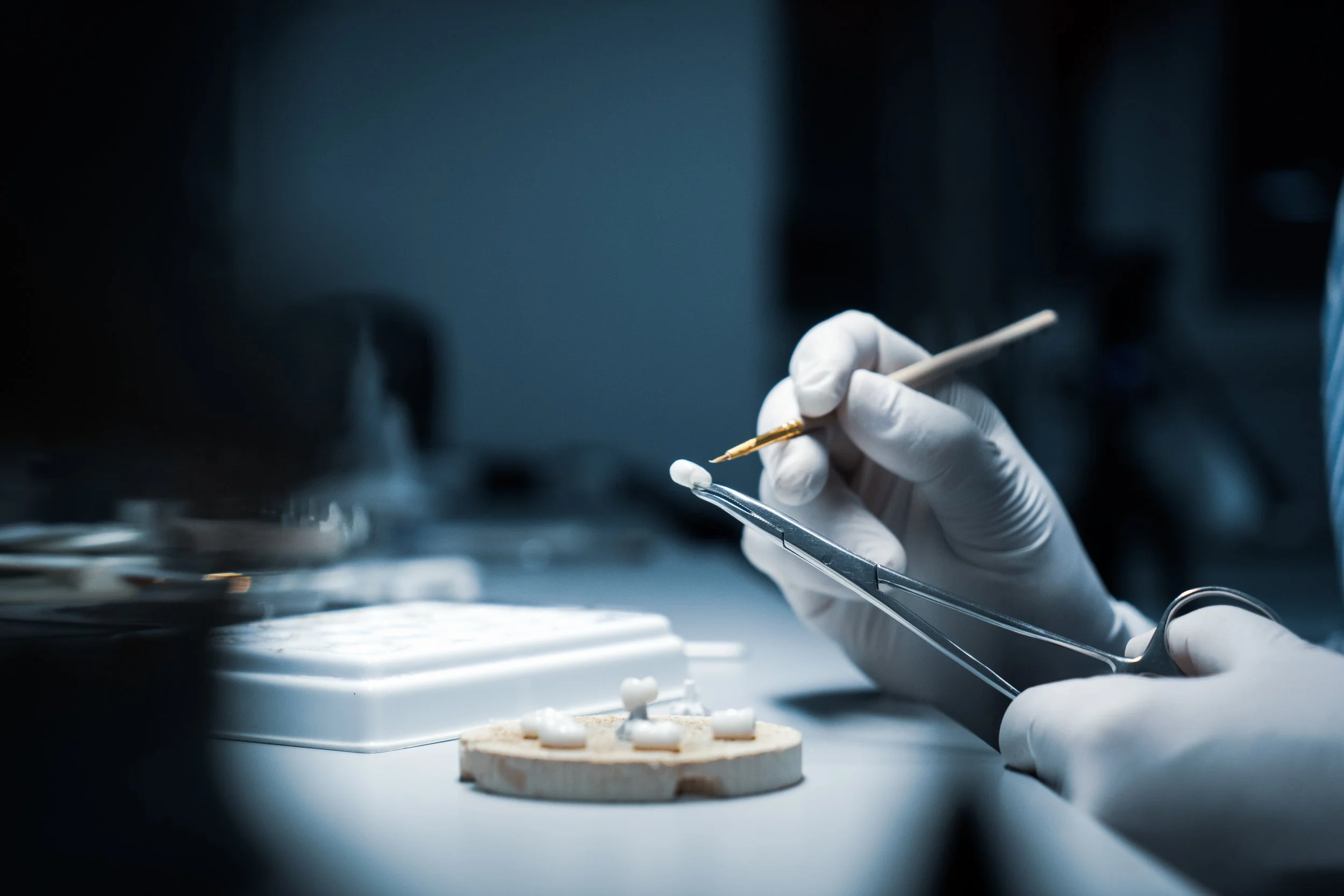
Same-day crowns solve exactly that problem. Dentists use in-office technology to prepare the tooth, design a custom crown, mill it from a solid ceramic block, and bond it permanently, all in one appointment. No temporary crown to deal with. No second visit weeks later. The crown looks and functions like a natural tooth right away.
Traditional crowns usually require at least two appointments. First the dentist shapes the tooth and takes impressions, then the patient waits while a lab fabricates the restoration. Temporaries go on in between, and they can feel bulky, come loose, or let sensitivity creep in. Same-day crowns skip that entire waiting period. The entire process often wraps up in one to two hours.
Patients who have gone through it frequently say the biggest relief comes from walking out with the permanent solution already in place. No more babying a temporary or rescheduling around work. The technology behind it, such as digital scanning, computer-aided design, and precise milling, delivers accuracy that matches or even exceeds older methods in many cases. Studies show high success rates with these restorations when placed correctly.
Who actually qualifies for this approach, though? And what does the visit really feel like from start to finish? Those questions matter because not every tooth problem fits the same-day model, and understanding the process helps set realistic expectations.
Who Qualifies for Same-Day Crowns? Ideal Candidates
Most people who need a traditional crown also qualify for same-day crowns. The core requirements stay similar. The tooth must have enough healthy structure left after preparation. The root needs to remain stable. Gums should show no active severe disease. Decay or damage can’t extend too deep into areas that compromise the foundation.
Common situations line up well with this approach. A molar cracks from an accidental bite on something hard. An old amalgam filling breaks apart and leaves the tooth vulnerable. Decay eats away at a large portion of the tooth but leaves solid walls intact. Wear from grinding thins the enamel until the tooth needs reinforcement. Root canal-treated teeth often get crowns to protect them long-term, and many of those cases move straight into same-day placement.
Think about the chipped front tooth that shows every time someone smiles. Or the premolar that split during chewing and now catches food constantly. These patients walk in frustrated, sometimes in mild pain, and leave with a permanent fix the same afternoon. One patient I heard about described the relief of not having to explain a missing chunk of tooth at work the next day.
The technology plays a big role here. Digital scanners capture precise 3D images of the prepared tooth. Software designs the crown to match the bite, shade, and contours exactly. The milling unit carves it from a high-strength ceramic block right there in the office. That precision means the crown fits snugly without the guesswork sometimes involved in lab-made versions.
A few factors make someone an especially strong candidate. Good overall oral health helps. No major active infections. Reasonable bite alignment. Patients who grind their teeth at night might still qualify, though a night guard often gets recommended afterward to protect the new restoration. Age rarely matters. Adults of all stages handle the process fine when the tooth itself meets the criteria.
Does your tooth feel weakened when you chew? Does it look off in photos or feel rough to your tongue? Those small signals often point to a situation where a same-day crown could restore function and confidence quickly.
The American Dental Association notes that ceramic restorations like these show strong longevity when the preparation follows proper guidelines. A study published in the Journal of Prosthetic Dentistry tracked similar in-office crowns over several years and reported survival rates above 95% at five years for properly selected cases. The National Institute of Dental and Craniofacial Research also highlights how advances in CAD/CAM technology have improved the predictability of single-visit restorations.
For more on how crowns protect teeth after damage or decay, the Mayo Clinic explains crown procedures clearly.
When Same-Day Crowns Might Not Be the Best Option
Some teeth just don’t line up perfectly with the same-day approach. Extensive damage tops the list. When a tooth breaks off close to the gumline or cracks deep below where the crown would sit, there might not be enough solid structure left to support it reliably. The dentist needs a stable foundation. Without it, the restoration risks failing sooner than it should.
Multiple adjacent teeth needing crowns at once can complicate things too. The process works best one tooth at a time. When several neighbors all require work, bite alignment becomes trickier to perfect in a single visit. Spacing out the treatments often gives better control over how everything fits together long-term.
Active severe gum disease changes the picture. Inflamed or receding gums make it hard to get a precise seal around the crown margin. Infection or pockets around the tooth need treatment first. Trying to place a crown while the supporting tissues stay compromised usually leads to problems down the road. A few patients come in hoping for a quick fix, only to learn the gums require attention before anything permanent goes in.
Certain bite issues raise flags. Heavy clenching or grinding that’s already worn down multiple teeth might mean the new crown faces unusual forces right away. While a night guard can help protect it afterward, some cases benefit from addressing the bite pattern more comprehensively first. Perhaps the tooth in question sits in a spot that takes extra load during chewing. That extra stress sometimes calls for a different strategy or material.
Highly visible front teeth bring their own considerations. Same-day crowns deliver excellent aesthetics in most situations, yet a handful of patients want ultra-specific shading, translucency, or contouring that pushes the limits of in-office milling blocks. Labs sometimes offer more layered options for those rare cosmetic demands. Most people find the results natural-looking anyway, but a small percentage prefer the extra customization time.
Individual health factors play a part occasionally. Conditions that slow healing or affect bone density around the tooth root might tilt toward a more traditional timeline. The dentist evaluates case by case. No one-size-fits-all rule exists here. What looks straightforward on an X-ray sometimes reveals surprises once preparation starts.
The key stays simple. A thorough exam determines fit. Digital scans and close inspection reveal whether the tooth meets the criteria or needs a different path. Patients who fall outside the ideal range still get strong, lasting solutions, just not always in one sitting.
For more on when crowns become necessary and factors that influence the choice, the National Institutes of Health discusses restorative options after tooth damage.
The Same-Day Crown Process: What Happens in One Visit
The appointment starts like most dental visits. The dentist examines the tooth, reviews X-rays if needed, and confirms the crown makes sense for the situation. Once everyone agrees, numbing comes next. Most patients get local anesthesia just like they would for a filling. The area goes numb quickly. Some feel a pinch for a second. Others barely notice.
Preparation follows. The dentist removes any decay, shapes the tooth down to create space for the crown, and builds a solid core if the original structure looks weak. This step stays conservative. The goal keeps as much natural tooth as possible while making room for a strong, precise fit. The shaping usually takes 10 to 20 minutes.
Digital scanning replaces old-school impressions. The dentist uses a small intraoral camera wand to capture thousands of images in seconds. The wand moves around the prepared tooth and neighboring teeth. No trays full of goopy material. No gagging for most people. The software stitches everything into a detailed 3D model on the screen right away. Patients often watch the process unfold. It feels more like watching a design program than sitting through something medical.
Design happens fast. The dentist or technician uses CAD software to customize the crown. They match the shape to the opposite tooth for proper bite. They adjust contours so it fits the gumline naturally. Shade selection pulls from a digital library or quick visual check. The software suggests tweaks based on the scan data. Small adjustments happen in real time. The crown takes form digitally before any material gets touched.
Milling kicks in once the design locks. A compact in-office machine carves the crown from a solid block of ceramic. High-strength materials like zirconia or lithium disilicate go in most cases. The block spins. Tiny burs cut away excess. The whole milling usually finishes in 10 to 20 minutes. Patients wait in the chair or step out briefly. Some grab coffee. Others scroll their phone. The wait passes quicker than expected.
Fitting comes after milling. The dentist tries the crown in the mouth. They check the bite. They look at contacts with adjacent teeth. Minor adjustments happen with a handpiece if needed. Polishing smooths the surface for a glossy, natural look. Once everything lines up, the crown gets bonded permanently with a strong adhesive. A curing light hardens it in seconds. Final bite check. Floss test. Done.
The entire visit typically runs one to two hours. Some finish closer to 90 minutes. Others stretch a bit longer if adjustments take extra time. Comfort stays high throughout. No drilling noise after prep. No multiple numbing shots. Patients walk out with the permanent crown cemented. No temporary to babysit. No follow-up scheduled just for cementing.
One patient described it as surprising how normal the day felt afterward. Ate dinner that night without worry. No sensitivity spike. No loose piece falling out. The process removes so much of the usual hassle tied to crowns.
Recovery and What to Expect After Your Same-Day Crown
Numbness fades within a couple of hours for most people. The lip or cheek might feel strange at first, like after any numbing shot. Once sensation returns, the crown sits there solid. No foreign object sensation for the majority. Patients often say it feels like their own tooth almost immediately.
Mild sensitivity sometimes shows up in the first few days. Hot or cold drinks might register a little more sharply than usual. Chewing on that side could feel different for a short time. The feeling usually settles quickly. Over-the-counter pain relievers handle any minor discomfort if needed. Most skip them entirely.
Eating returns to normal fast. Once the numbness wears off, patients go ahead with softer foods that evening. Avoid super hard items like nuts or ice for the first day or two just to play it safe. Sticky candies stay off the menu a bit longer too. After that initial caution, the crown handles regular chewing without issue. One person mentioned biting into a sandwich the next day and forgetting which tooth got worked on.
Long-term care mirrors natural teeth. Brush twice daily. Floss around the crown edges carefully. Regular dental checkups catch any small issues early. The ceramic material resists staining better than natural enamel in many cases, though good habits keep the shade consistent. Nighttime grinding calls for a guard to protect both the crown and other teeth. Bite force stays even when the restoration fits properly.
Durability impresses people who have had them. These crowns hold up for 10 to 15 years or longer with routine care. Clinical data backs that up. The in-office milling process creates tight margins that reduce the chance of leakage or decay underneath.
The biggest shift comes in mindset. No waiting. No temporaries falling out at inconvenient moments. No extra appointments clogging the calendar. Patients walk away relieved. Function returns right away. Confidence in smiling or eating follows soon after.
Frequently Asked Questions About Same-Day Crowns
How long does the same-day crown appointment actually take? Most visits wrap up in one to two hours. Prep and numbing take the first chunk. Scanning and design move fast. Milling runs 10 to 20 minutes while you wait. Fitting, polishing, and bonding finish it off. Some finish closer to 90 minutes. Others stretch a little if bite tweaks need extra attention.
Does getting a same-day crown hurt? Numbing handles the prep work just like a filling. Most patients feel pressure during shaping but no sharp pain. After the crown bonds, sensitivity might pop up mildly for a few days: hot, cold, or chewing. It fades quickly. Over-the-counter relief covers it if needed. Many say the whole thing feels routine.
Are same-day crowns as strong and long-lasting as traditional ones? Yes. The ceramic materials match or exceed lab-made versions in strength. Survival rates sit in the high 90 percent range at five to 10 years with proper care. The tight digital fit reduces leakage risks. Brush, floss, and wear a guard if you grind, same rules apply.
Do I need a temporary crown at all? No. That’s one of the biggest perks. The permanent crown goes in before you leave. No loose temporaries. No sensitivity from poor fit. No extra appointment to swap it out. Patients walk out done.
Can I eat right after getting my same-day crown? Once numbness wears off, usually a few hours, you can eat normally. Start with softer foods the first day or two. Skip hard nuts or ice initially. By the next day, most chew without thinking about it. The crown feels natural fast.
Who really can’t get a same-day crown? Extensive damage leaves too little tooth for support. Severe active gum disease needs treatment first. Multiple neighboring teeth needing work might require staged visits for better bite control. Rare cases want ultra-custom aesthetics from a lab. A dentist checks during exam. If it doesn’t fit, alternatives exist.
How do same-day crowns compare to waiting weeks for a traditional crown? Traditional needs two visits. Impressions go to a lab. Temporaries bridge the gap. Same-day skips all that. One appointment. Immediate permanent result. Less hassle. Precision from digital tech often matches or beats older methods.
For more details on crown procedures and care, check these resources: