Laser Dentistry With Solea: What It Feels Like When There’s No Drill
How Laser Dentistry is Reshaping the Patient Experience
Most people can describe the sound of a dental drill without ever hearing it again. It’s that high-pitched whir that starts before the procedure even begins, and for millions of Americans, that sound alone is enough to postpone a dental visit for months, sometimes years. Research from the National Institute of Dental and Craniofacial Research suggests that dental anxiety affects a significant portion of adults in the United States, and avoidance is one of the most common consequences.
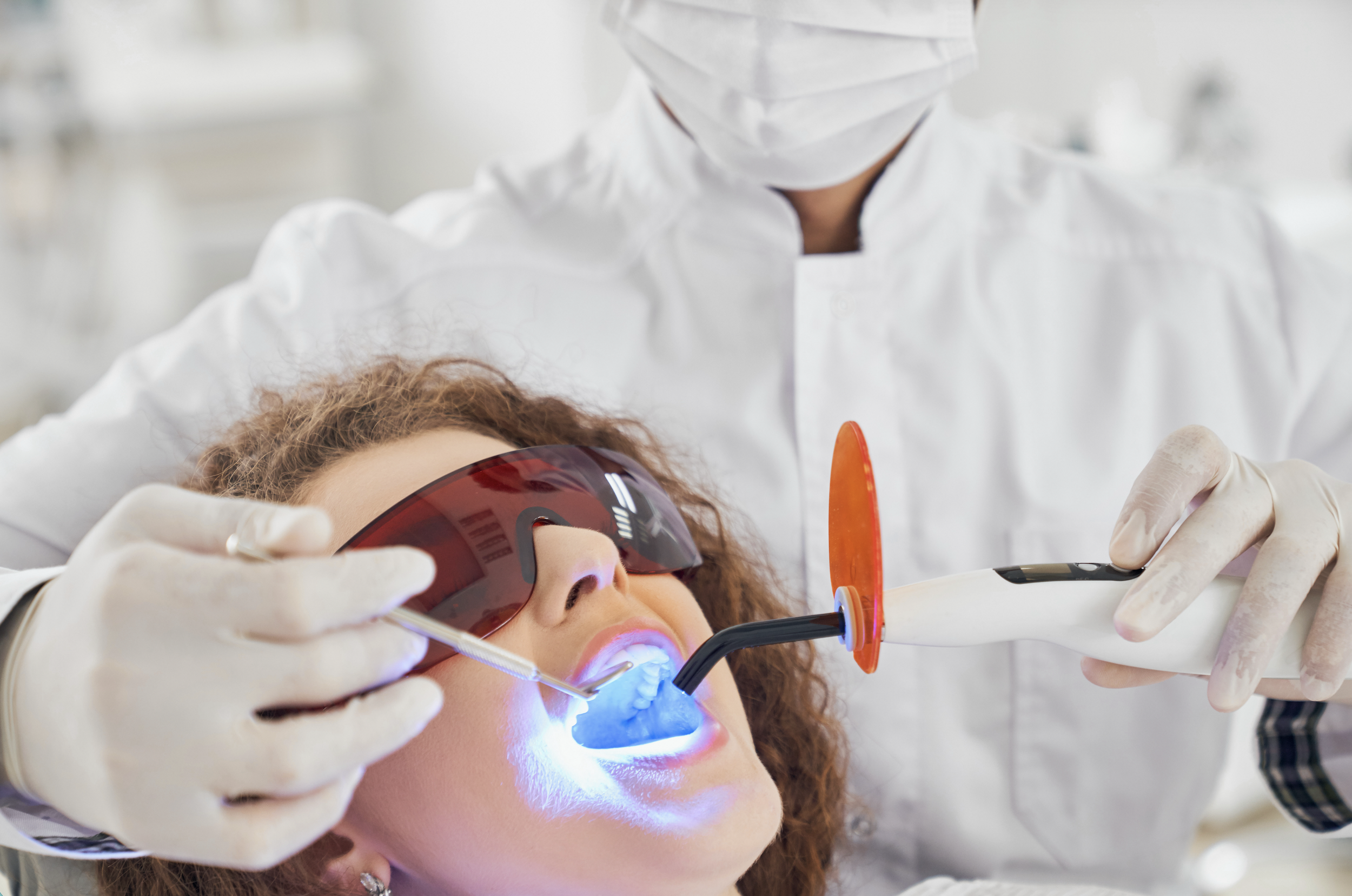
That’s where laser dentistry changes things. Rather than cutting through tooth structure with a spinning metal bur, laser technology uses a concentrated beam of light energy to treat cavities and perform soft-tissue procedures. No drill. In many cases, no needle. The entire experience is quieter, faster, and far less intimidating. Patients who have spent years avoiding the dentist often find that a laser-based appointment feels like nothing they expected.
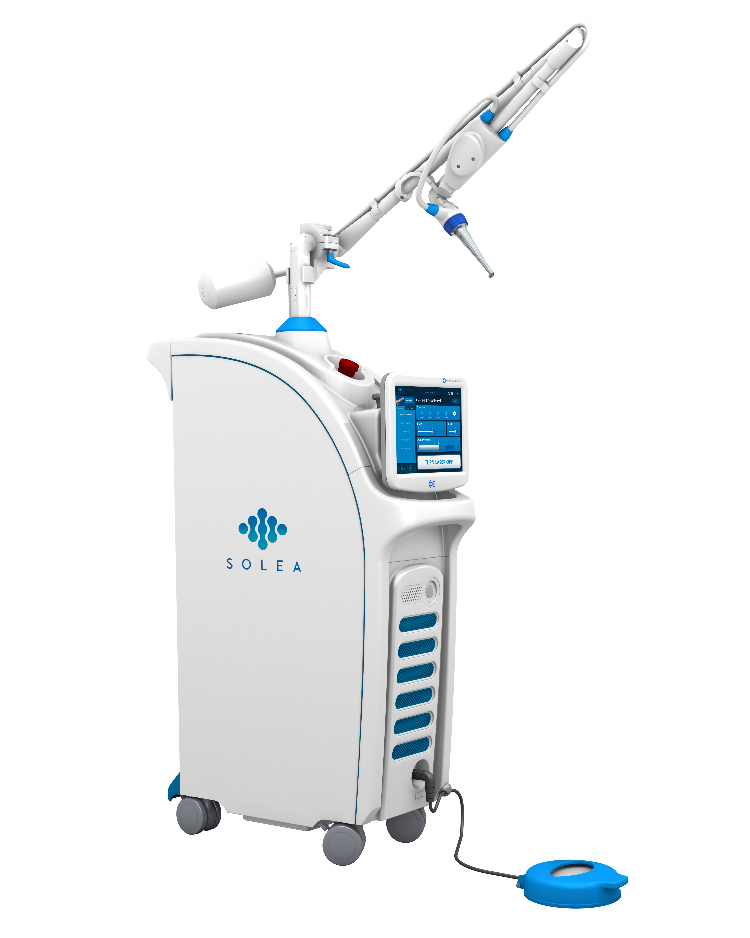
Broadwater Dental in D’Iberville, Mississippi uses the Solea® laser system, one of the most advanced drill-free dental technologies available today. For families, children, and patients who struggle with dental anxiety across the Mississippi Gulf Coast, that matters. Here is what the experience actually looks like.
What Is Laser Dentistry, and How Does Solea Work?
At its core, laser dentistry replaces the mechanical action of a drill with light. A concentrated beam of laser energy is directed at the tooth, vaporizing decayed tissue in controlled pulses without the friction, heat, or vibration that a traditional bur produces. The surrounding healthy tooth structure stays largely undisturbed. There is no grinding sensation transmitted through the jaw. The soft whirring sound that patients dread is simply absent.
The Solea laser system, developed by Convergent Dental, operates on a carbon dioxide wavelength that is uniquely absorbed by both hard tooth tissue and soft tissue. That versatility is what separates it from older dental lasers, which were often limited to soft-tissue applications only. Solea can treat cavities in enamel and dentin, the two primary layers of a tooth, without requiring a drill at any point in the procedure. Most patients also do not need a local anesthetic injection, because the laser interacts with the tooth so precisely that the nerve is rarely stimulated in the way a drill would stimulate it.
Laser technology in dentistry is not entirely new. The American Dental Association has recognized laser applications in dentistry since the 1990s. What has changed is the precision and capability of the systems available today. Solea represents the current standard for hard-tissue laser treatment, and it remains uncommon in private practices, particularly outside larger urban markets. Most dental offices across the country still rely on traditional handpieces for routine restorative work.
What the Experience Actually Feels Like
A patient arriving for a laser cavity treatment at Broadwater Dental is likely to notice what is missing before noticing what is there. There is no tray of metal instruments laid out in the familiar way. The assistant does not draw up a syringe of anesthetic. The operatory is quieter than expected. For many patients, that absence of the usual cues is disorienting at first, and then quietly reassuring.
The Solea handpiece looks nothing like a drill. It is lighter, and it produces a faint clicking sound as it pulses, something closer to a soft tapping than the sustained whine most patients associate with dental work. The dentist guides the laser precisely over the area of decay, and the tissue is removed in layers. Patients typically describe a mild sensation of warmth, or nothing at all. There is no vibration transmitted into the tooth or jaw. The procedure moves quickly, often faster than a comparable drill-based treatment.
Because the laser does not generate the same level of heat or pressure that a drill does, the pulp of the tooth is rarely disturbed enough to require numbing. Clinical studies published through the National Institutes of Health have found that the majority of patients treated with hard-tissue dental lasers required little or no anesthesia. That detail alone removes one of the most common sources of anticipatory dread from the appointment.
After the decay is cleared, the tooth is restored with a tooth-colored composite filling in the usual way. The difference is that patients who choose a no-drill dentist often leave the appointment without the numbness that lingers for hours after a traditional procedure. They can eat, speak, and return to their day without the inconvenience of waiting for anesthetic to wear off. More information on how Broadwater Dental uses Solea is available on the practice’s Solea laser dentistry page.
Why Anxious Patients Are Choosing a Laser Dentist Over a Traditional Practice
Dental anxiety is not a personality flaw. It is an identifiable, measurable response, and it is far more common than most people realize. The National Institute of Dental and Craniofacial Research estimates that roughly 22 percent of adults avoid the dentist due to fear. For these patients, the avoidance cycle tends to compound: skipped appointments lead to more decay, which requires more extensive treatment, which reinforces the fear of future visits. The problem does not resolve on its own.
The trigger for most dental anxiety is not the procedure itself. It is the anticipation of specific physical sensations: the sound of the drill, the pressure of the injection, the feeling of vibration in the jaw. Remove those triggers and the anxiety response often diminishes substantially. That is, perhaps, the most underappreciated clinical benefit of laser dentistry. It does not just treat the tooth differently. It changes the entire sensory profile of the appointment.
Patients looking for an anxiety dentist on the Mississippi Gulf Coast often find that their options are limited. Most practices in the region still use conventional handpieces. Broadwater Dental is among a small number of offices in the area that have invested in Solea specifically to serve patients who have postponed care due to fear. The practice works with anxious adults and children alike, and the absence of drilling and injections in most cases makes treatment accessible to people who had previously written off routine dental care entirely.
Why Laser Dentistry Works So Well for Families and Children
Children are not smaller adults when it comes to dental treatment. Their tolerance for unfamiliar sensations is lower, their ability to hold still under stress is limited, and a single difficult appointment can establish a pattern of avoidance that persists well into adulthood. The American Academy of Pediatric Dentistry has long emphasized that managing a child’s first experiences with dental care shapes their relationship with oral health for life. A traumatic early appointment is not a minor inconvenience. It is a clinical risk.
Solea changes the calculus for pediatric treatment in a practical way. The absence of the needle is significant. For most children, the injection is the moment that breaks cooperation. Remove it, and the entire appointment becomes more manageable. Parents who have brought children to Broadwater Dental for laser cavity treatment often report that their child was surprised by how fast it was over, and that there were no tears. That is not a universal experience, of course, but it is far more common with laser-based treatment than with conventional drilling.
Healing is also faster. Because the laser removes tissue with precision rather than abrasion, the treated site tends to be cleaner and less inflamed after the appointment. Children return to school and normal activity without the soreness that sometimes follows a traditional filling. For parents searching for a laser dentist in D’Iberville, MS who can treat the whole family, Broadwater Dental’s approach to family dental care covers patients from early childhood through adulthood, using the same technology across age groups.
Finding a No-Drill Dentist Near Biloxi: What to Look For
Not every practice that advertises laser services offers the same level of capability. There is a meaningful difference between an office that uses a soft-tissue laser for gum procedures and one that uses a hard-tissue system like Solea for cavity treatment. Patients searching for a no-drill dentist near Biloxi should ask specifically whether the practice uses a hard-tissue laser for restorative work, and whether anesthesia is typically required. Those two questions will quickly reveal how comprehensive the laser capability actually is.
Broadwater Dental has invested in Solea as a hard-tissue system specifically because it addresses the full range of restorative needs that patients bring through the door, from small cavities in children to more involved decay in adults. The practice is located at 10437 Lamey Bridge Road East in D’Iberville, serving patients from D’Iberville, Biloxi, and the surrounding Gulf Coast communities. Patients do not need to drive to a larger metro area to access this level of technology.
For patients who have been putting off dental care because of fear, or for parents who have watched a child struggle through a traditional appointment, laser dentistry offers a different starting point. The drill is not a requirement. It is just what most offices still use. Learn more about the team at Broadwater Dental and how they approach care for patients of all ages.
Frequently Asked Questions
Q: What is laser dentistry, and how is it different from traditional dental treatment? Laser dentistry uses a concentrated beam of light energy to remove decayed tooth tissue instead of a spinning metal drill. The result is a procedure with no drill noise, significantly less vibration, and in most cases no need for a numbing injection. Traditional dentistry relies on mechanical cutting, which generates friction and heat that can irritate the nerve and surrounding tissue.
Q: Does laser dentistry hurt? Most patients report feeling very little during a laser cavity treatment. Some describe a mild warmth. Others feel nothing at all. Because the laser does not generate the same pressure or vibration as a drill, the tooth's nerve is rarely stimulated in a way that requires anesthesia. Pain is not a guarantee either way, but laser treatment tends to produce far less discomfort than patients expect.
Q: Do I still need a shot before a laser cavity treatment? In most cases, no. One of the most significant advantages of the Solea laser system is that the majority of patients do not require a local anesthetic injection. The laser removes decay so precisely that the nerve is not triggered the way it would be by a drill. There are exceptions depending on the depth of the cavity, but needle-free treatment is the norm rather than the exception.
Q: Is laser dentistry safe for children? Yes. In many ways, children are ideal candidates for laser cavity treatment. The absence of the injection removes one of the most common triggers for fear and resistance during pediatric appointments. The procedure is faster and quieter than conventional drilling, and children typically tolerate it well. Healing after the appointment is also quicker, so children return to normal activity sooner.
Q: How long does a laser cavity treatment take compared to a traditional filling? Laser treatments are often faster than drill-based procedures. Because there is no injection to administer and wait for, and because the laser removes decay efficiently, appointments tend to move more quickly. Patients also leave without the numbness that lingers for hours after an anesthetic injection, which means there is no recovery time after the visit.
Q: Is the Solea laser available at a dental office near Biloxi or D'Iberville? Broadwater Dental, located at 10437 Lamey Bridge Road East in D'Iberville, MS, uses the Solea hard-tissue laser system for cavity treatment and other restorative procedures. It is one of a small number of practices in the Mississippi Gulf Coast region offering this level of laser capability, meaning patients in Biloxi and the surrounding area do not need to travel to a larger city to access it.
Q: Will my dental insurance cover laser dentistry? Coverage for laser dentistry varies by plan. Most insurance policies cover the procedure being performed — a filling, for example — regardless of the method used to prepare the tooth. Patients should contact their insurance provider to confirm, and Broadwater Dental's team can help answer questions about what to expect.